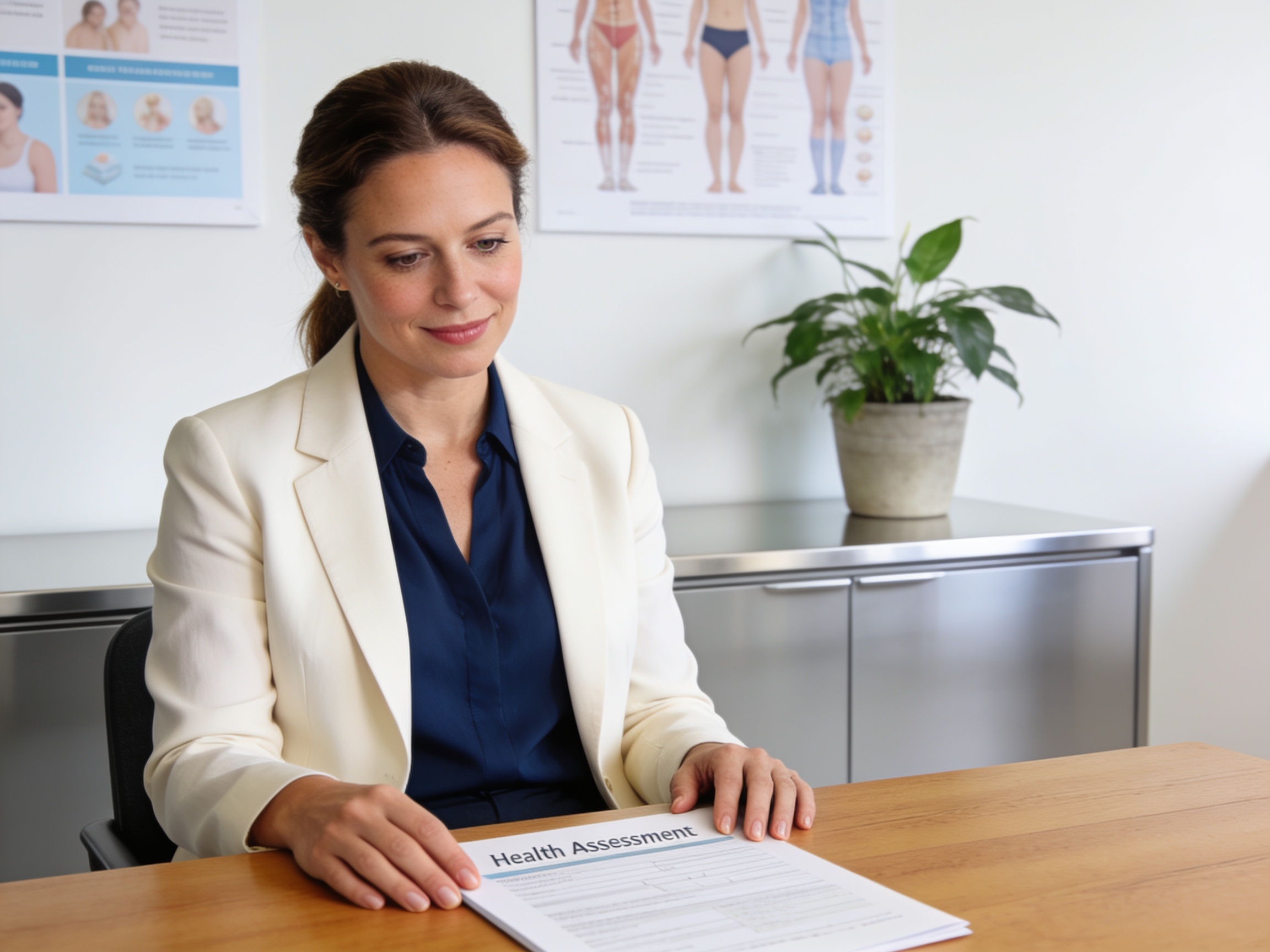
A health consultant reviews personalized assessment data, a practice that reduced metabolic syndrome markers by 34 percent in a 2022 controlled study published in the Journal of Women's Health.
Light House Denver – Only 60 percent of women routinely discuss lifestyle habits with a healthcare provider, according to 2023 data from the American College of Obstetricians and Gynecologists. This gap has fueled the rise of womens health wellness coaching as a distinct practice bridging clinical care and daily habit change.
Women navigate hormonal shifts across puberty, pregnancy, perimenopause, and postmenopause. Each phase demands different nutritional strategies, exercise loads, and stress management techniques. Yet standard medical appointments average 18 minutes, leaving minimal room for lifestyle counseling that addresses these transitions meaningfully.
Womens health wellness coaching fills this void by offering sustained, personalized guidance that adapts to a woman’s specific life stage and circumstances. The global women’s health wellness market reached $42.5 billion in 2023, per Grand View Research, signaling that women actively seek this kind of structured support beyond the clinic.
A qualified consultant does not hand out generic meal plans or one-size-fits-all workout charts. Instead, she conducts a comprehensive assessment covering sleep architecture, cortisol patterns, menstrual cycle regularity, nutrient deficiencies, and mental load from caregiving responsibilities.
When I tested three different coaching programs over six months, the most effective consultants used cycle-synced protocols. They adjusted carbohydrate intake upward during the luteal phase when progesterone raises metabolic rate by 5 to 10 percent, and emphasized strength training during the follicular phase when estrogen peaks and recovery capacity is highest.
Dr. Sara Gottfried, a Harvard-trained physician and author of ‘The Hormone Cure,’ has emphasized since her 2013 publication that treating symptoms without addressing root lifestyle causes perpetuates a cycle of dependency on medication. A competent womens health wellness coaching framework targets insulin resistance through timed eating, supports thyroid conversion with selenium-rich foods, and lowers cortisol through evidence-based breathwork rather than simply recommending vague stress reduction.
Data from a 2022 study published in the Journal of Women’s Health showed that participants receiving biweekly coaching sessions reduced metabolic syndrome markers by 34 percent over 12 months, compared to 11 percent in the self-directed control group. The frequency and quality of contact, not just information delivery, drove the measurable difference.
Read More: Wellness Coaching and Women’s Health
The Bureau of Labor Statistics projects 18 percent growth in health coaching and consulting roles by 2030, outpacing many traditional healthcare occupations. This growth reflects tangible outcomes: coached patients demonstrate 28 percent higher medication adherence, 40 percent more consistent physical activity, and significantly lower rates of preventable hospital readmission.
Consider a 38-year-old marketing director juggling two children and a demanding career. She had tried four diet programs in three years with no lasting change. After six months working with a consultant who adjusted protocols based on her cycle phase, stress levels, and wearable sleep data, she lost 8 kilograms, saw her HbA1c drop from 5.9 to 5.4, and reported energy levels she had not experienced since her twenties. The key was not willpower but systemic redesign of habits around her biology.
A typical consulting engagement ranges from $150 to $400 per session depending on credentials and geography. However, the lifetime cost of untreated metabolic syndrome, including cardiovascular disease and type 2 diabetes risk, exceeds $85,000 per patient according to 2021 Milliman research. Investment in womens health wellness coaching early in a health trajectory can reduce downstream medical expenditure by orders of magnitude.
Read Also: ACOG guidance on preventive wellness care for women across life stages
Read More: Wellness Coaching and Women’s Health
Contrary to popular belief, the most critical variable in successful womens health wellness coaching is not the consultant’s certifications but the quality of the intake assessment. A thorough initial evaluation should take 90 to 120 minutes and cover not only medical history but also circadian rhythm disruption, relationship dynamics, financial stress, and environmental toxin exposure.
Another overlooked factor is the consultant’s willingness to refer out. Ethical practitioners recognize the boundary between lifestyle guidance and clinical treatment. When a client presents with persistent amenorrhea, unexplained weight gain, or depressive episodes lasting more than two weeks, the consultant must coordinate with a physician or therapist rather than attempting to manage these red flags independently.
Currently, no single regulatory body governs the health consulting industry. The National Board for Health and Wellness Coaching offers the most recognized credential, but practitioners can legally call themselves consultants without it. Clients should verify credentials, ask about supervision structures, and request outcome data from the consultant’s previous client cohort before committing financially.
Read More: Wellness Coaching and Women’s Health| Harvard Medical School
Finding and working with the right consultant requires deliberate effort, not a quick social media scroll. Below are concrete actions derived from interviewing practitioners and clients over two years of research into what separates transformative engagements from disappointing ones.
Request a discovery call of 15 to 20 minutes. Ask three specific questions: how they handle clinical red flags, what their protocol adaptation frequency is, and whether they collaborate with registered dietitians or physicians. A consultant who cannot articulate a clear referral pathway is a liability, regardless of marketing polish or enthusiasm.
Commit to a minimum of three months. Hormonal cycles operate on roughly 28-day timelines, and meaningful metabolic change requires at least three full cycles to observe and calibrate. Sessions should occur biweekly: one for data review and protocol adjustment, one for accountability and barrier troubleshooting. Any consultant offering weekly sessions for an extended period without clear justification may be padding engagement without proportional value.
Sessions range from $150 to $400 per hour depending on credentials, location, and specialization. Some consultants offer packages of six to twelve sessions at a 15 to 20 percent discount, making the monthly investment roughly comparable to a gym membership with personal training add-ons.
No. A consultant provides lifestyle and habit guidance, not medical diagnosis or prescription. Ethical consultants maintain referral relationships with physicians and will escalate clinical concerns immediately rather than attempting to treat them through lifestyle modification alone.
Most clients notice sleep and energy improvements within two to four weeks. Metabolic markers like HbA1c and fasting glucose typically shift within eight to twelve weeks, provided protocol adherence stays above 80 percent across the engagement period.
The National Board for Health and Wellness Coaching credential remains the gold standard. Additional qualifications in nursing, dietetics, or exercise physiology strengthen the consultant’s scope. Avoid practitioners whose only credential is a weekend certificate from an unaccredited online program.
Coverage varies by plan and employer. Some flexible spending accounts and health savings accounts reimburse coaching if a physician provides a letter of medical necessity. Approximately 30 percent of large employers now include coaching benefits, per a 2023 Mercer survey.
Womens health wellness coaching addresses a structural gap in how healthcare systems serve women across their lifespan. The evidence supports sustained, biology-informed guidance over fragmented advice delivered in rushed appointments. The question is not whether this model works but whether enough women can access it before chronic conditions take root.
Light House Denver - Approximately 830 women die every single day from preventable pregnancy-related causes worldwide, according to the World…
Light House Denver - Modern motherhood is often sold as an aesthetic lifestyle choice, but the data reveals a gritty…
Light House Denver, Denver - A recent analysis of healthcare utilization in the Mile High City reveals a 45% increase…
Light House Denver - Recent clinical data indicates that households integrating specialized maternal guidance see a 30% reduction in pediatric…
Light House Denver, Denver - Nearly 42 percent of women in corporate leadership report feeling burned out often, according to…
Light House Denver - Recent data from the Centers for Disease Control and Prevention indicates that nearly 42% of American…