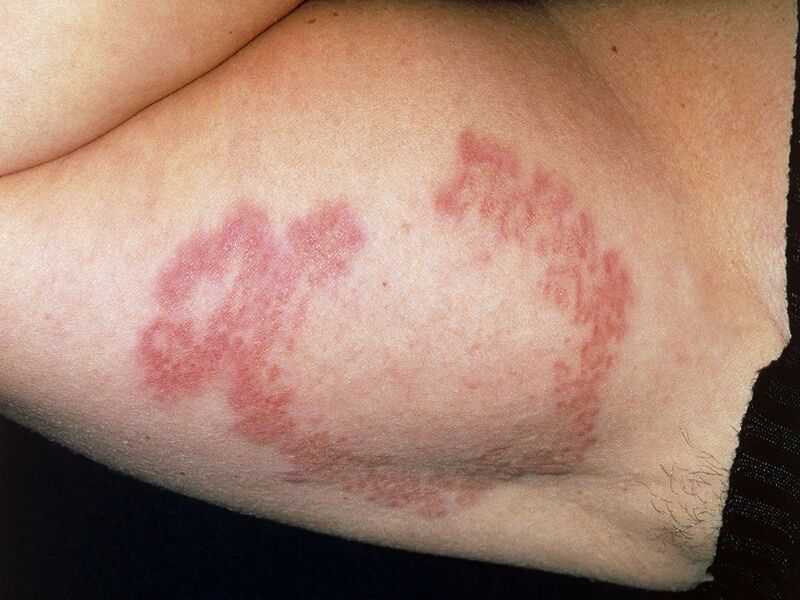
Light House Denver – Diabetes mellitus represents a metabolic disease that elevates blood glucose levels. Leaving it untreated causes severe complications that affect the heart, eyes, kidneys, and nerves. Diabetes also impacts the skin, presenting various signs and symptoms. Recognizing these signs early and seeking medical attention ensures a proper determination of whether they link to diabetes or another condition. Here are some common skin conditions associated with diabetes, as outlined by the American Academy of Dermatology Association.**and may have a grayish hue with a yellow undertone on darker skin tones. These bumps, although not painful, often itch and require evaluation by a doctor to address underlying causes.
Shin spots, or diabetic dermopathy, are one of the most common skin manifestations in individuals with diabetes. These spots, also known as pigmented pretibial patches, typically appear on the shins as round or oval marks. Their color may vary from light brown to reddish-brown. Unlike age spots, these marks can fade over time, often within 18 to 24 months, once blood sugar levels are well-controlled. However, in some cases, they may persist indefinitely.
Also Read : The Ideal Age for Marriage: Insights and Recommendations
Another potential skin sign of diabetes is the darkening of certain areas of the body. This condition, medically known as acanthosis nigricans, often affects the neck, armpits, groin, or other body folds. The skin in these areas becomes darker, thicker, and may feel velvety to the touch. Acanthosis nigricans can be a warning sign of prediabetes, making it crucial to consult a healthcare provider for further evaluation and diagnosis.
Thickened and hardened skin is another common issue for people with diabetes. This condition, called diabetic scleroderma, typically develops on the back, neck, or shoulders. The affected skin may appear swollen and feel tight. This condition tends to progress slowly, developing over months or even years. While it does not typically cause pain, it can limit mobility in severe cases.
Slow-healing wounds are a significant concern for individuals with diabetes. High blood sugar levels over extended periods can damage blood vessels and nerves, leading to poor circulation. This impairs the body’s ability to repair injuries. As a result, wounds, particularly on the feet, may take much longer to heal and carry a higher risk of infection. This highlights the importance of proper diabetes management and foot care to prevent complications.
Uncontrolled diabetes can also lead to the formation of small, yellowish bumps on the skin. These bumps are a hallmark of eruptive xanthomatosis, a condition caused by elevated triglyceride levels in the blood. The bumps often appear on the buttocks, thighs, elbows, or knees and may have a grayish hue with a yellow undertone on darker skin tones. Although not painful, these bumps can be itchy and should be evaluated by a doctor to address underlying causes.
Another skin-related symptom of diabetes is the presence of yellowish plaques or bumps around the eyelids. This condition, known as xanthelasma, occurs due to high levels of blood lipids. The lesions can vary in color from yellow to orange and are often smooth to the touch. Xanthelasma is more than a cosmetic concern—it may indicate poorly controlled diabetes or other lipid metabolism issues, necessitating medical intervention.
These skin conditions underscore the importance of early recognition and effective diabetes management. If you notice any unusual changes in your skin, it is vital to consult a healthcare professional. Proper diagnosis and treatment can help control symptoms and reduce the risk of further complications.
Also Read : Dynamics of Religion and Politics in 2025
Light House Denver - The global wellness industry generates over $4.4 trillion annually, yet a staggering 95% of people who…
Light House Denver - Despite the endless stream of wellness content on social media, rates of burnout and hormonal imbalances…
Light House Denver, Denver - A 2023 study by the American Heart Association revealed that women are 50% more likely…
Light House Denver - Recent data from the Journal of Pediatric Psychology indicates that mothers who prioritize specific health consultations…
Light House Denver - A recent survey by the Kaiser Family Foundation revealed that nearly 40% of women skipped necessary…
Light House Denver - The wellness industry often peddles a one-size-fits-all approach to fitness, but data suggests this model is…