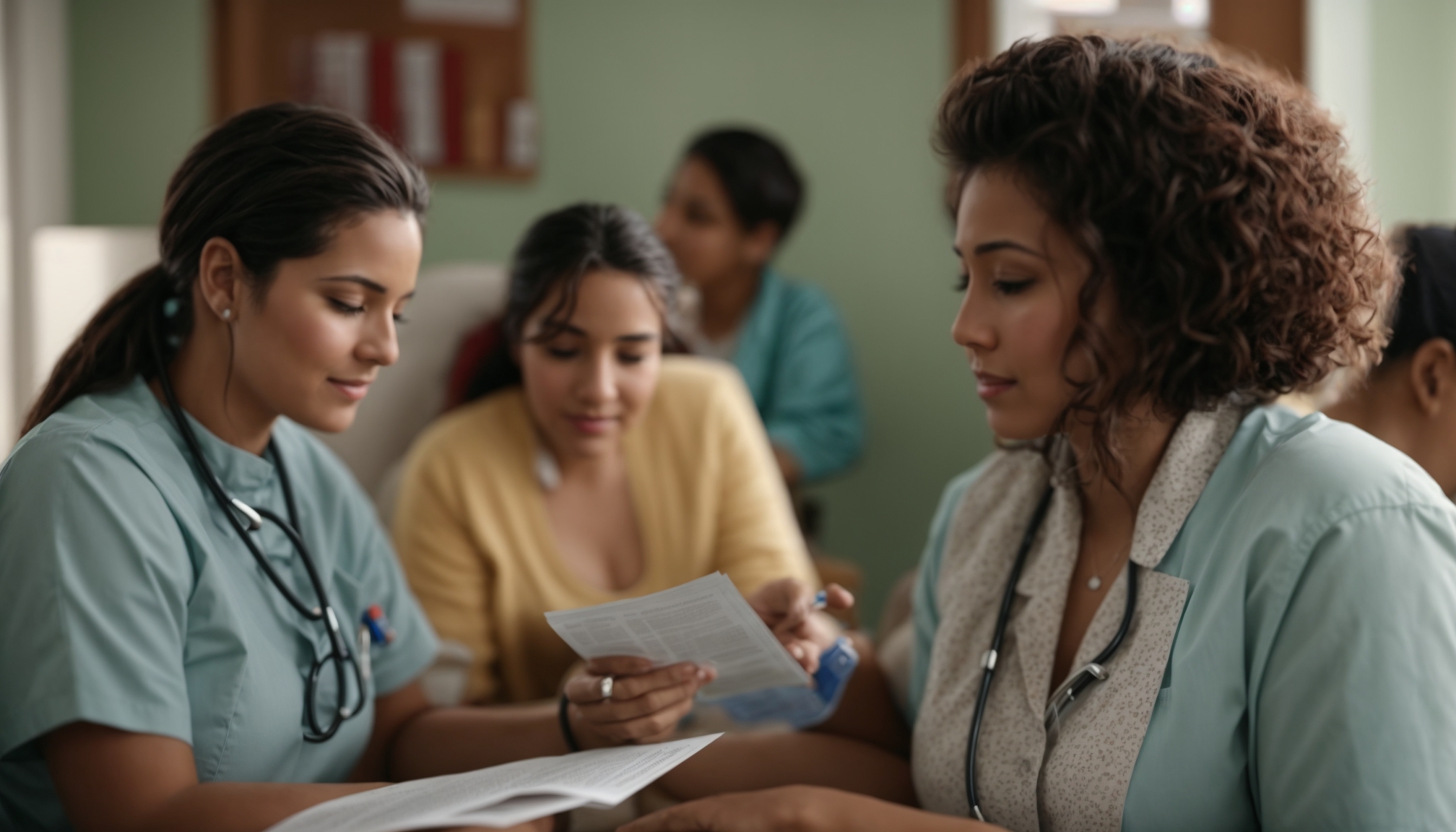
LightHouse Denver – Empowering women health education is increasingly recognized as a decisive factor in reducing preventable illness, improving maternal outcomes, and strengthening family well-being through informed decisions.
Health education works best when it reaches women with clear, actionable information they can use immediately. When women understand symptoms, risk factors, and available services, they seek care earlier and follow treatments more consistently. That shift reduces complications from common conditions such as anemia, hypertension, diabetes, and infections.
However, the impact goes beyond individual health. Women often manage household nutrition, caregiving, and health spending. As a result, knowledge shared with women tends to spread through families and neighborhoods. In many settings, a single women’s group session can influence vaccination uptake, sanitation practices, and healthier diets for children and older relatives.
Barriers still limit reach. Time constraints, limited transport, caregiving responsibilities, and low trust in health systems can keep women from clinics and formal classes. Therefore, successful programs bring education closer—through community outreach, workplaces, schools, mobile services, and digital channels that fit daily routines.
Effective education avoids medical jargon and focuses on practical steps: when to seek care, what questions to ask, and what warning signs should never be ignored. It also avoids shame-based messaging. Fear may change behavior briefly, but it rarely builds confidence for long-term health management.
In addition, education should reflect real-life constraints. Telling a woman to “eat healthier” is not enough if food access is limited. Better programs explain low-cost meal planning, safe food storage, and realistic substitutions. Similarly, advising regular checkups works best when paired with information about low-cost clinics, appointment scheduling, and patient rights.
Privacy matters, especially for topics such as reproductive health, menstrual health, and mental well-being. Creating safe spaces—women-only groups, confidential counseling, and respectful clinical environments—helps people ask questions they may otherwise keep silent. That trust is a key driver of sustained engagement.
Community-based approaches remain among the most reliable methods to expand access. Trained community health workers, midwives, and peer educators can deliver short lessons during home visits or group meetings. Meanwhile, faith-based and local civic organizations can provide venues and trusted networks to gather participants.
Programs tend to succeed when they combine education with services. For example, a session on blood pressure becomes more valuable when paired with on-site screening and referral. A lesson on cervical health becomes more actionable when women can schedule appointments immediately.
Baca Juga: health education basics and community program guidance
School-linked initiatives also matter, particularly where adolescent girls face early health risks. Age-appropriate education on nutrition, hygiene, and consent helps young people develop lifelong habits. Meski begitu, programs need to include parents and caregivers so messages are reinforced at home rather than undermined by misinformation.
Mobile phones have made education scalable. Short videos, SMS reminders, and telehealth consultations can reach women who cannot attend in-person sessions. On the other hand, digital access also increases exposure to misinformation, unsafe advice, and unproven products marketed with confidence.
A strong strategy uses trusted sources and simple verification steps. Encourage users to check whether guidance comes from national health agencies, reputable hospitals, or licensed professionals. Teach women to be cautious with “miracle cures,” extreme diets, or advice that discourages medical care.
Digital education also benefits from personalization. Reminders for antenatal visits, postpartum warning signs, medication adherence, and vaccination schedules can be tailored to life stage. After that, feedback loops—hotlines, chat support, or community moderators—help answer questions and correct misunderstandings quickly.
Within digital content, accessibility is critical. Audio messages support low-literacy audiences, and local-language materials improve comprehension. Short, consistent messages usually outperform long lectures, especially when audiences face stress, fatigue, and limited time.
Health education should show results beyond attendance counts. Program teams can track changes in knowledge, attitudes, and behaviors using short surveys, quizzes, and follow-up interviews. Therefore, indicators should include both learning and real-world action.
Practical measures include screening uptake, timely clinic visits, adherence to treatment, and reduced emergency complications. For maternal health, programs may track early antenatal registration, skilled birth attendance, and postpartum follow-ups. For chronic conditions, monitoring can include blood pressure control, blood sugar checks, and refill consistency.
Quality also matters. Are educators respectful? Do women feel safe asking questions? Are materials culturally appropriate and free from stigma? Even strong content can fail if delivery is judgmental or dismissive. Because of that, training and supervision of educators should be continuous, not one-off.
Equity should be built into evaluation. Outcomes should be separated by age, income, disability status, and location. Otherwise, improvements may mask gaps for rural women, migrants, and those facing domestic constraints that limit autonomy.
Small changes can scale into major public health gains. Families can support women’s appointments by sharing childcare and transport planning. Clinics can offer flexible hours, clear signage, respectful triage, and private counseling areas. Workplaces can provide health talks, screening days, and protected time for medical visits.
Local leaders can help normalize preventive care by hosting sessions and highlighting success stories. Meanwhile, partnerships with pharmacies can improve medication counseling and referral pathways for red-flag symptoms.
To sustain momentum, programs should invest in mentorship and peer support. Women who have navigated pregnancy complications, chronic disease management, or mental health recovery can share strategies that feel realistic and credible. When peers model help-seeking, others follow.
For readers looking to support initiatives directly, sharing reliable resources and volunteering with local health groups can make a difference. You can also point others to empowering women health education resources and encourage respectful conversations that replace myths with evidence.
Ultimately, empowering women health education succeeds when information is practical, services are reachable, and communities treat women’s health as a shared priority. Empowering women health education also grows stronger when women have a voice in program design, so lessons match daily realities. With steady investment, empowering women health education can reduce preventable harm and help women lead healthier, more autonomous lives.