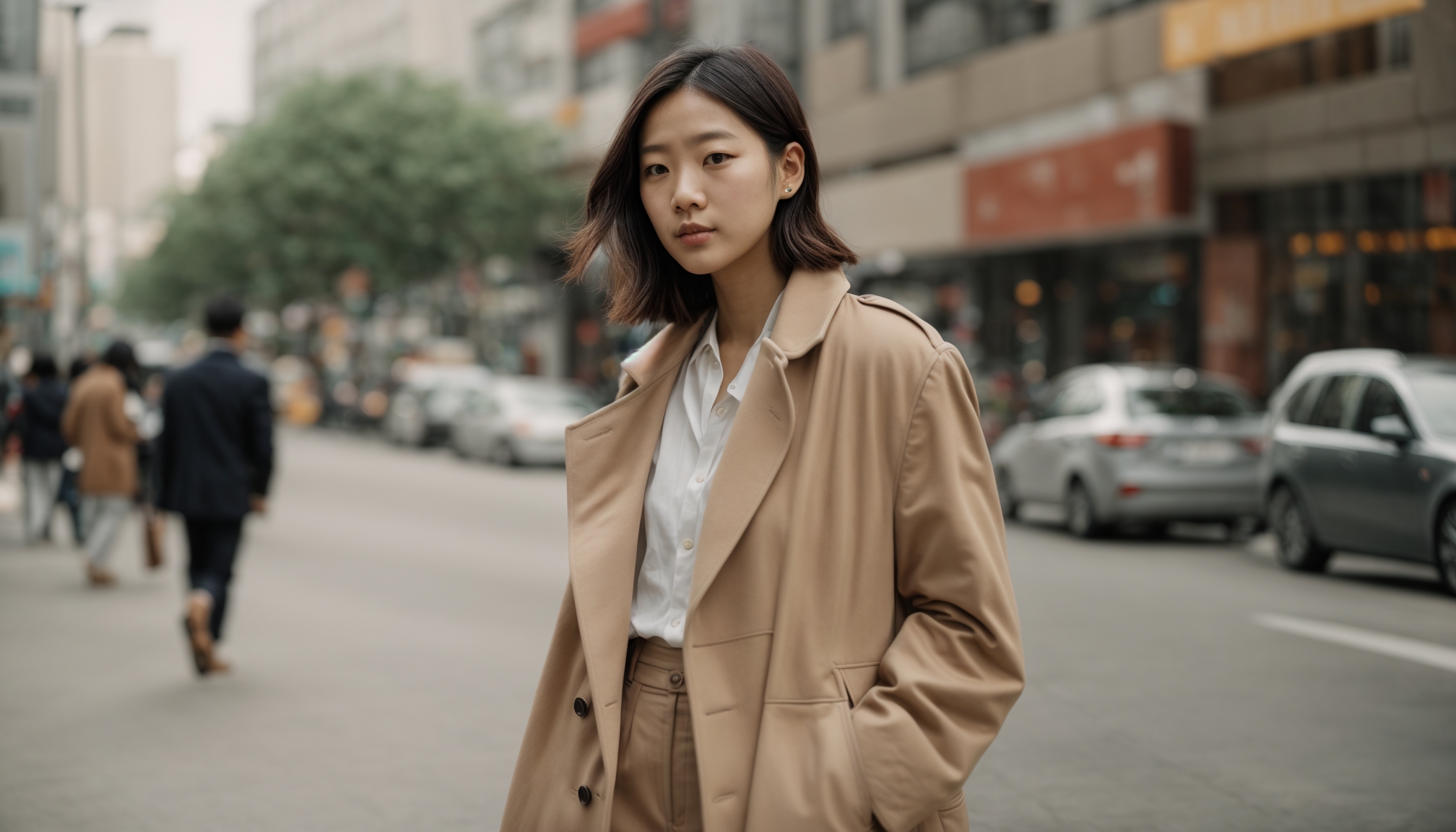
LightHouse Denver – The quiet k-fashion trend is shifting Korean style toward minimal silhouettes, soft tones, and understated luxury that still delivers strong visual impact.
For more than a decade, global audiences associated Korean style with bold streetwear, oversized logos, and experimental layering. Now, the quiet k-fashion trend is rewriting that image with calm colors, clean lines, and refined basics that feel timeless. Shoppers still crave personality, but they increasingly prefer subtle details over loud branding.
This shift aligns with the rise of “quiet luxury” worldwide. However, the Korean interpretation carries a distinct sensibility. Designers blend impeccable tailoring with comfortable fabrics, then add small twists, such as asymmetric hems, tonal stitching, or unique button placements. As a result, outfits look simple from afar but reveal thoughtful design when viewed up close.
Social media has helped amplify this discreet aesthetic. Instead of flashy outfit-of-the-day posts, creators now share soft, natural-light photos of muted looks. The focus sits on texture, balance, and mood rather than on obvious status symbols or extreme silhouettes.
Several signature elements make the quiet k-fashion trend easy to recognize. The first is color: palettes stay within ivory, beige, taupe, charcoal, navy, and soft pastels. These shades mix effortlessly, allowing wearers to build capsule wardrobes that work across seasons without feeling repetitive.
Silhouette choice is equally important. Many outfits rely on straight-leg trousers, relaxed blazers, gently oversized shirts, and A-line skirts that skim the body without clinging. These pieces create movement while maintaining a polished structure. Because of this balance, they can transition smoothly from campus or cafes to offices and evening events.
Fabric quality also plays a central role. While some brands use premium wool, cashmere blends, or high-grade cotton, others focus on well-finished synthetics that drape cleanly. In all cases, the goal is to achieve a luxurious touch without unnecessary embellishment, allowing texture to quietly take center stage.
Influencers helped transform the quiet k-fashion trend from a niche preference into a mainstream movement. Instead of relying on statement prints, they create impact through proportion. A slightly cropped jacket over high-waisted trousers, for example, lengthens the legs while maintaining a simple overall look.
Accessories remain intentional and restrained. Slim leather belts, delicate earrings, or a structured bag in a muted color can complete an outfit without stealing attention. On the other hand, footwear often provides subtle contrast, such as pairing clean sneakers with tailored separates or loafers with soft knitwear.
Layering is another signature trick. Rather than piling on many different pieces, stylists layer thin knits under shirts, or drape a tonal coat over a monochrome base. This method builds depth and visual interest while staying within the calm, coordinated color story that defines the style.
Read More: How the global quiet luxury movement is reshaping fashion
Despite its refined appearance, the quiet k-fashion trend does not require a luxury budget. Many Korean and international high-street brands now offer streamlined pieces that echo designer silhouettes at accessible prices. Shoppers can start with core basics like straight trousers, a neutral blazer, and a crisp white shirt.
After that, the key lies in thoughtful curation. Instead of chasing every seasonal drop, consumers focus on items that can be restyled repeatedly. A beige trench coat, for instance, works with denim, tailored pants, or flowing skirts. Because of its versatility, one purchase supports many different outfits.
Care routines further extend the life of each piece. Regular steaming, gentle washing, and proper storage keep garments looking sharp. This, in turn, reinforces the philosophy behind the style: fewer items, more wear, and greater appreciation for each detail.
Beyond aesthetics, the quiet k-fashion trend reflects broader cultural shifts among younger Koreans. Many seek balance between self-expression and practicality, especially as work patterns, housing, and urban lifestyles evolve. Understated clothing supports flexible identities, moving seamlessly between personal and professional spaces.
Brands also respond to demand for slower, more intentional consumption. Some labels emphasize small collections and timeless designs rather than constant novelty. While fast fashion remains popular, consumers increasingly recognize the emotional value of long-lasting, well-made basics that align with their sense of self.
Internationally, the subtle confidence of this movement resonates with audiences who follow K-dramas and K-pop but prefer an everyday style that feels wearable. As more retailers adopt its language of simplicity, the quiet k-fashion trend seems poised to influence global wardrobes for years to come, proving that the calmest looks often carry the strongest voice.
For readers who want to explore this aesthetic in depth, many online lookbooks now highlight the quiet k-fashion trend through curated outfit combinations, fabric close-ups, and practical styling guides that make minimalist dressing both approachable and inspiring.