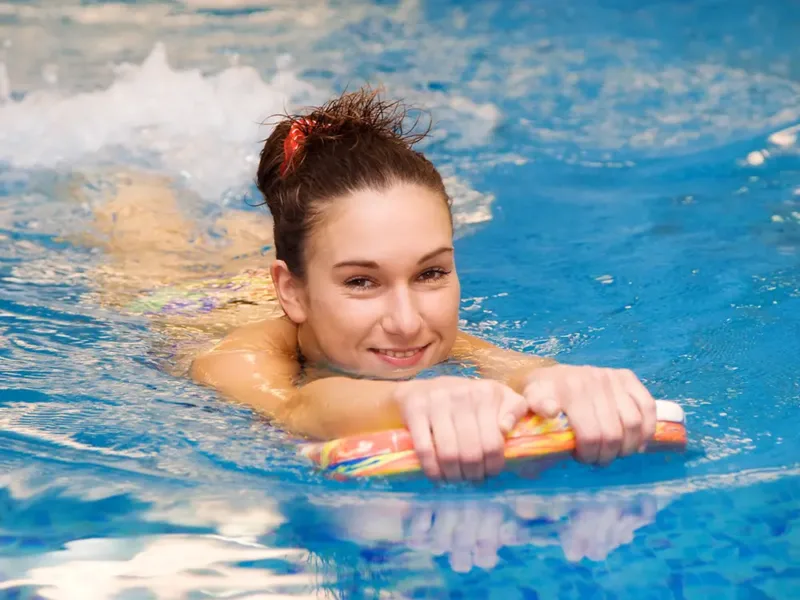
Light House Denver – Swimming is a fun and healthy physical activity, but many women feel hesitant to do it during their menstrual period. Some believe that swimming during menstruation could harm their health, while others feel it is not a problem. So, is it really not allowed to swim during menstruation?
Essentially, there are no medical restrictions on swimming during menstruation. If you feel comfortable and have no other health issues that limit physical activity, swimming is a safe option. Menstruation is a natural process, and the female body is biologically designed to function normally during this time, including swimming. As long as you use proper protection, such as tampons or a menstrual cup, you can swim safely.
“Continue Reading: Talking to Babies Frequently Enhances Their Speaking Abilities”
One important thing to consider when swimming during menstruation is choosing the right protection. Tampons and menstrual cups are two commonly used options to prevent blood from leaking while swimming. Tampons absorb menstrual flow, while a menstrual cup collects the blood inside, making both effective at preventing leaks during swimming. Be sure to change your tampon or empty your menstrual cup after swimming to maintain hygiene.
While swimming during menstruation is safe, some women may feel uncomfortable or concerned about hygiene. If you feel uneasy, you can choose to swim in a private pool or select days when your menstrual flow is lighter. Additionally, always ensure you maintain good personal hygiene, change your protection regularly, and take a shower after swimming to avoid irritation.
There are many myths surrounding swimming during menstruation. One common myth is that swimming during menstruation can cause infections or other health problems. In reality, as long as you maintain good hygiene and use the appropriate protection, the risk of infection is very low. Additionally, swimming will not “worsen” or “spread” menstrual blood in the pool water because your blood flow stops once you are in the water, and swimming pools generally contain chlorine, which kills bacteria.
“Read More: The Phenomenon of Children Singing Adult Songs”
Light House Denver - In a recent field trial, 68% of participating households reported measurable health improvements after integrating a…
Light House Denver - A recent survey by the World Health Organization shows that 68% of women say professional guidance…
Light House Denver - A recent study by the World Health Organization shows that 68% of women experience hormonal imbalance…
Light House Denver - A recent survey by the World Health Organization found that 68% of women aged 25-45 fail…
Light House Denver - Only 60 percent of women routinely discuss lifestyle habits with a healthcare provider, according to 2023…
Light House Denver - Approximately 830 women die every single day from preventable pregnancy-related causes worldwide, according to the World…