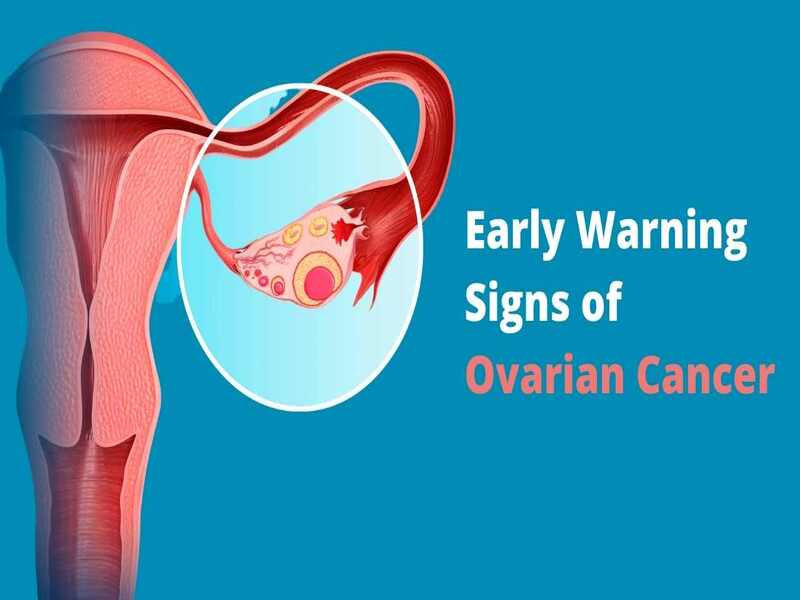
Light House Denver – Sophie Casey, a 28-year-old mother from Leeds, England, shares her heartbreaking experience with stage 4 ovarian cancer. Doctors initially dismissed her symptoms as a common stomach infection, but her story highlights how cancer can strike even younger people, challenging the belief that only the elderly are at risk.
Sophie first noticed unusual abdominal bloating, which made her look as though she were nine months pregnant. In September, she visited her general practitioner (GP) after feeling discomfort and noticing the bloating. The doctor initially suspected a typical stomach infection and prescribed antibiotics. Despite following the prescribed treatment, Sophie’s symptoms did not improve. Frustrated and concerned, she pushed for further medical attention and received a referral to the hospital for additional tests.
The tests revealed the unsettling truth: a mass had formed in her abdomen, and further investigation confirmed that it was ovarian cancer. Sophie felt shocked to learn that the cancer had reached an advanced stage—stage 4B. This meant that the cancer had spread to other organs, including her liver or spleen, and possibly her lungs. Doctors told Sophie the cancer was terminal, meaning they could treat it but could not cure it. This diagnosis devastated Sophie, especially considering her young age.
Ovarian cancer often proves difficult to detect early because the symptoms are vague or get confused with less serious conditions. The most common early warning signs—bloating, abdominal discomfort, and changes in appetite—matched the symptoms Sophie experienced. Many women overlook these signs or mistake them for benign issues, delaying diagnosis. In Sophie’s case, the doctor misinterpreted her symptoms as a simple stomach infection, which delayed her diagnosis.
Doctors usually diagnose ovarian cancer in older women, particularly those between the ages of 75 and 79. However, younger women increasingly face this disease. Data from Cancer Research UK reveals a troubling trend: since the early 1990s, ovarian cancer rates have risen by 78 percent in women under 24 and by 10 percent in women aged 25 to 49. This increase highlights the importance of raising awareness about early symptoms and seeking timely medical attention.
Sophie’s experience emphasizes the importance of noticing subtle changes in one’s body, even if they seem like everyday issues. She urges other women to remain vigilant about their health, especially regarding changes in their menstrual cycle, abdominal discomfort, or unexplained bloating. Although many women dismiss these symptoms as trivial, they can signal something more serious. Women should not ignore these signs.
Sophie stresses the importance of trusting one’s instincts and seeking a second opinion if necessary. Had she not insisted on further tests, doctors might not have detected her cancer until it reached an even more advanced stage. Sophie hopes that sharing her story will inspire other women to take their health seriously and understand that ovarian cancer can affect anyone, no matter their age.
Sophie’s story underscores a critical gap in awareness about ovarian cancer and its symptoms. Although ovarian cancer doesn’t receive as much attention as other cancers, it remains one of the leading causes of cancer-related deaths among women. Many women remain unaware of the risks or the subtle signs of the disease. This lack of awareness makes it even more crucial for women to educate themselves about ovarian cancer and seek immediate medical help if they notice anything unusual.
As Sophie continues her fight against terminal cancer, she hopes that sharing her experience will inspire other women to take their health seriously. She wants her story to change how people understand and detect ovarian cancer, particularly among younger women. For Sophie, this battle is not just about survival; it’s about raising awareness to ensure that others get diagnosed earlier and have a better chance of recovery.
Also Read : Pope Francis: Church’s Synodal Dance Amid Culture Wars
Light House Denver - A recent study by the World Health Organization shows that 68% of women experience hormonal imbalance…
Light House Denver - A recent survey by the World Health Organization found that 68% of women aged 25-45 fail…
Light House Denver - Only 60 percent of women routinely discuss lifestyle habits with a healthcare provider, according to 2023…
Light House Denver - Approximately 830 women die every single day from preventable pregnancy-related causes worldwide, according to the World…
Light House Denver - Modern motherhood is often sold as an aesthetic lifestyle choice, but the data reveals a gritty…
Light House Denver, Denver - A recent analysis of healthcare utilization in the Mile High City reveals a 45% increase…