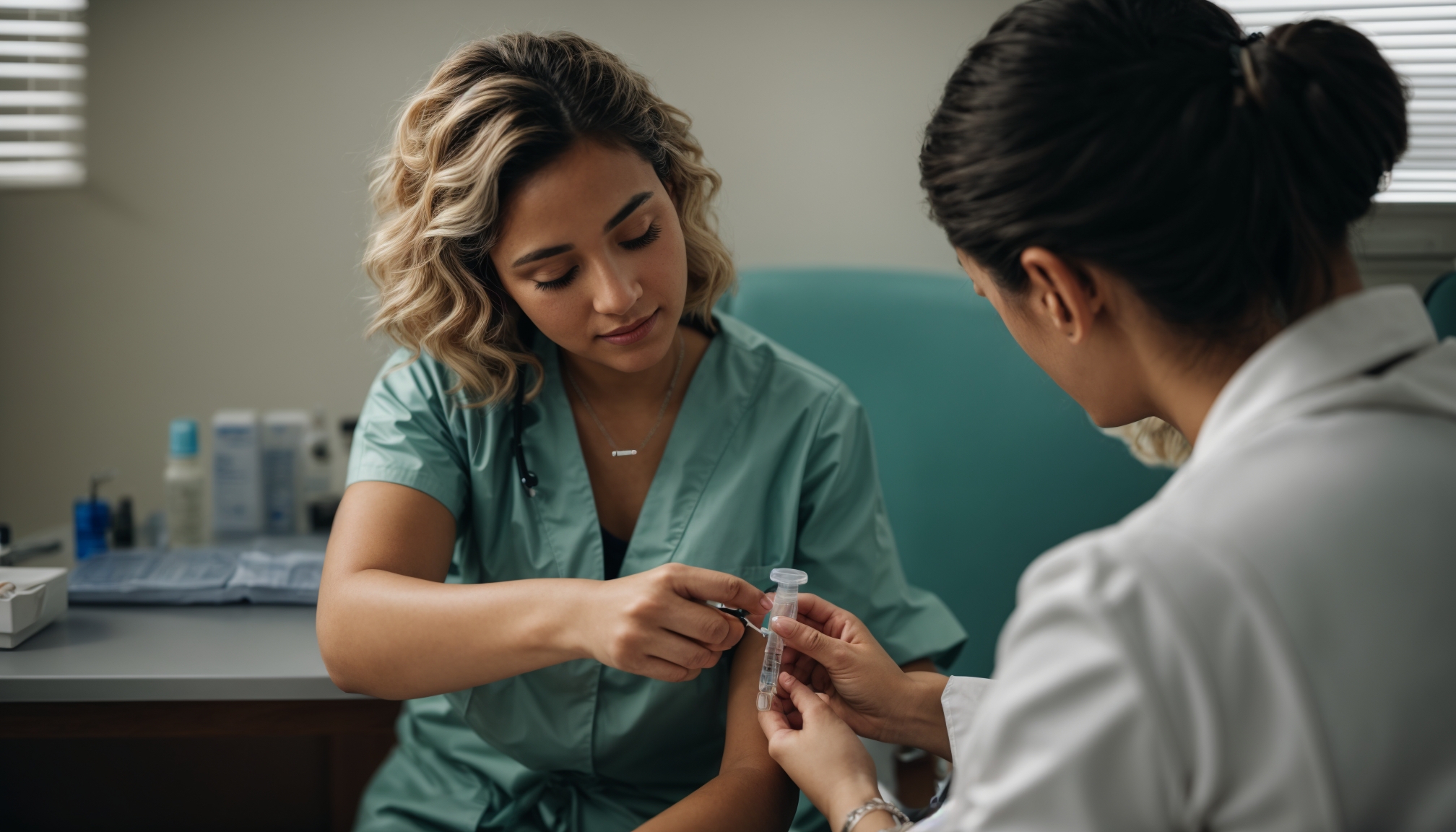
LightHouse Denver – adult women vaccine before marriage has become an important health recommendation to significantly reduce the risk of cervical cancer, a leading cause of cancer-related illness worldwide. This preventive measure focuses on improving women’s health by targeting the human papillomavirus (HPV), the primary cause of cervical cancer.
Cervical cancer is often caused by persistent infections with high-risk HPV types. Administering the adult women vaccine before marriage helps to protect women from HPV infection before potential exposure through sexual activity. This timing maximizes vaccine effectiveness and helps build immunity early, thereby reducing cervical cancer risk substantially.
The vaccine is designed to stimulate the immune system against multiple HPV strains most associated with cervical cancer development. Ideally, adult women vaccine before marriage is recommended for those who did not receive HPV vaccination in adolescence. Health organizations worldwide endorse vaccinating women up to the age of 45, making the pre-marriage period optimal for protection.
In addition to reducing cancer risk, the adult women vaccine before marriage also helps lower the incidence of other HPV-related diseases, such as genital warts and certain throat cancers. This holistic protection contributes to better long-term women’s health outcomes and diminishes disease-related anxiety in newly married women.
Many regions are increasing awareness about adult women vaccine before marriage through public health campaigns and easier vaccine access at clinics. Encouraging women to discuss vaccination with their healthcare providers ensures personalized advice and fosters informed decisions. Early vaccination combined with regular cervical screenings remains the best defense strategy.
Overall, advocating adult women vaccine before marriage is a critical step toward significantly reducing cervical cancer rates globally. Women who choose to get vaccinated before marriage gain strong protection against HPV and the related health complications later in life. This proactive approach empowers women to take control of their health and supports public health goals.