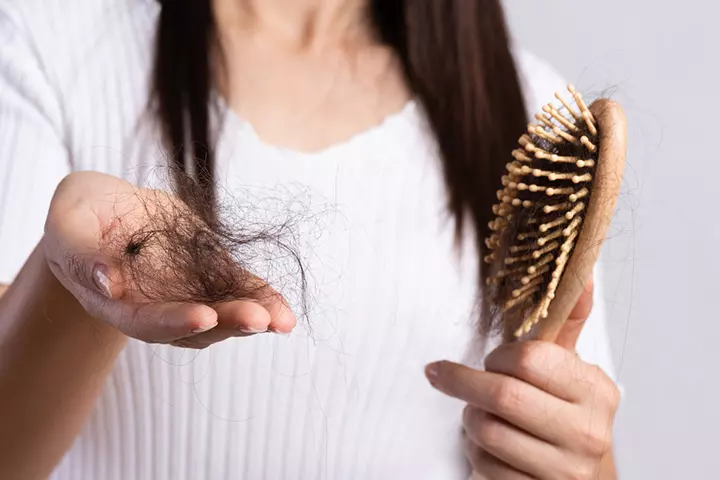
Light House Denver – Hair loss in women can cause anxiety and stress, and it may also indicate underlying health issues, including hormonal imbalances. Hormonal disturbances can alter the hair growth cycle, leading to excessive hair shedding. This article will discuss the causes of hair loss due to hormonal imbalances and how to address it.
Hormones play a crucial role in maintaining healthy hair. One of the main hormones involved is estrogen, which helps maintain the health of hair follicles. When the balance of this hormone is disrupted, such as during pregnancy, menstruation, or menopause, hair growth can be affected.
“Read More: Expensive Schools Are Not Always the Best”
During pregnancy, estrogen levels rise, extending the hair growth phase. However, after childbirth, the sudden drop in estrogen can cause significant hair loss in the months following delivery.
During menopause, the decline in estrogen levels leads to thinning hair. Hair that was once thick can become thinner, causing many women to feel anxious about their appearance.
PCOS is a hormonal disorder that leads to increased androgen levels, which can trigger hair loss in women. Hair loss typically occurs at the front and top of the head, resembling male-pattern baldness.
Thyroid hormones have a significant impact on hair health. Both low (hypothyroidism) and high (hyperthyroidism) thyroid hormone levels can result in hair loss. Hypothyroidism slows hair growth, while hyperthyroidism makes hair fragile and prone to falling out.
To address hair loss caused by hormonal imbalances, several steps can be taken:
If hair loss is caused by hormonal imbalances, it is essential to consult a doctor to determine the cause and receive appropriate treatment. Hormone therapy or medication may be required to restore hormonal balance.
Use gentle shampoos and avoid harsh chemical products. Natural products such as coconut oil or argan oil can help maintain healthy hair and scalp.
Consume a balanced diet rich in vitamins like biotin, vitamin D, and iron to support hair health. Regular exercise and stress management also play important roles in maintaining hormonal balance.
Topical treatments like Minoxidil can stimulate hair growth. However, the use of such treatments should be based on a doctor’s recommendation.
With proper care and hormonal management, hair loss due to hormonal imbalances can be controlled and even reversed.
“Continue Reading: Hyperactive Children, What Are the Causes?”
Light House Denver - A recent survey by the World Health Organization shows that 68% of women say professional guidance…
Light House Denver - A recent study by the World Health Organization shows that 68% of women experience hormonal imbalance…
Light House Denver - A recent survey by the World Health Organization found that 68% of women aged 25-45 fail…
Light House Denver - Only 60 percent of women routinely discuss lifestyle habits with a healthcare provider, according to 2023…
Light House Denver - Approximately 830 women die every single day from preventable pregnancy-related causes worldwide, according to the World…
Light House Denver - Modern motherhood is often sold as an aesthetic lifestyle choice, but the data reveals a gritty…