LightHouse Denver – Growing research shows that womens gut health foods and simple lifestyle habits can strongly influence hormones, mood, weight, and long-term disease risk in women.
Women experience unique hormonal shifts across the month and throughout life, and the gut plays a key role in how these hormones behave. The microbes in the intestines help process estrogen, influence inflammation, and even affect how full or hungry someone feels after eating. Because of this, everyday choices can either support or disrupt a healthy digestive balance.
Studies link diverse gut bacteria with more stable energy, better blood sugar control, and lower risk of conditions that affect many women, such as irritable bowel syndrome, polycystic ovary syndrome, and autoimmune disorders. In addition, the connection between the gut and brain means digestion also influences stress levels, anxiety, and sleep quality.
On the other hand, frequent antibiotics, highly processed foods, chronic stress, and poor sleep can gradually reduce bacterial diversity in the gut. Over time, this may lead to bloating, irregular bowel movements, skin breakouts, and more frequent infections. Understanding which daily patterns protect the gut helps women make targeted, realistic changes.
The most powerful foundation for digestive balance is a fiber-rich, plant-forward eating pattern. Different fibers feed different kinds of gut bacteria, so variety matters. Whole grains, vegetables, fruits, nuts, seeds, and legumes all provide unique fibers and plant compounds that nourish helpful microbes.
Nutrition researchers often describe fiber as the main fuel source for beneficial bacteria. When these bacteria ferment fiber, they create short-chain fatty acids that support the gut lining, reduce inflammation, and may protect against colon cancer. For many women, simply increasing daily fiber gradually can already reduce constipation and uncomfortable bloating.
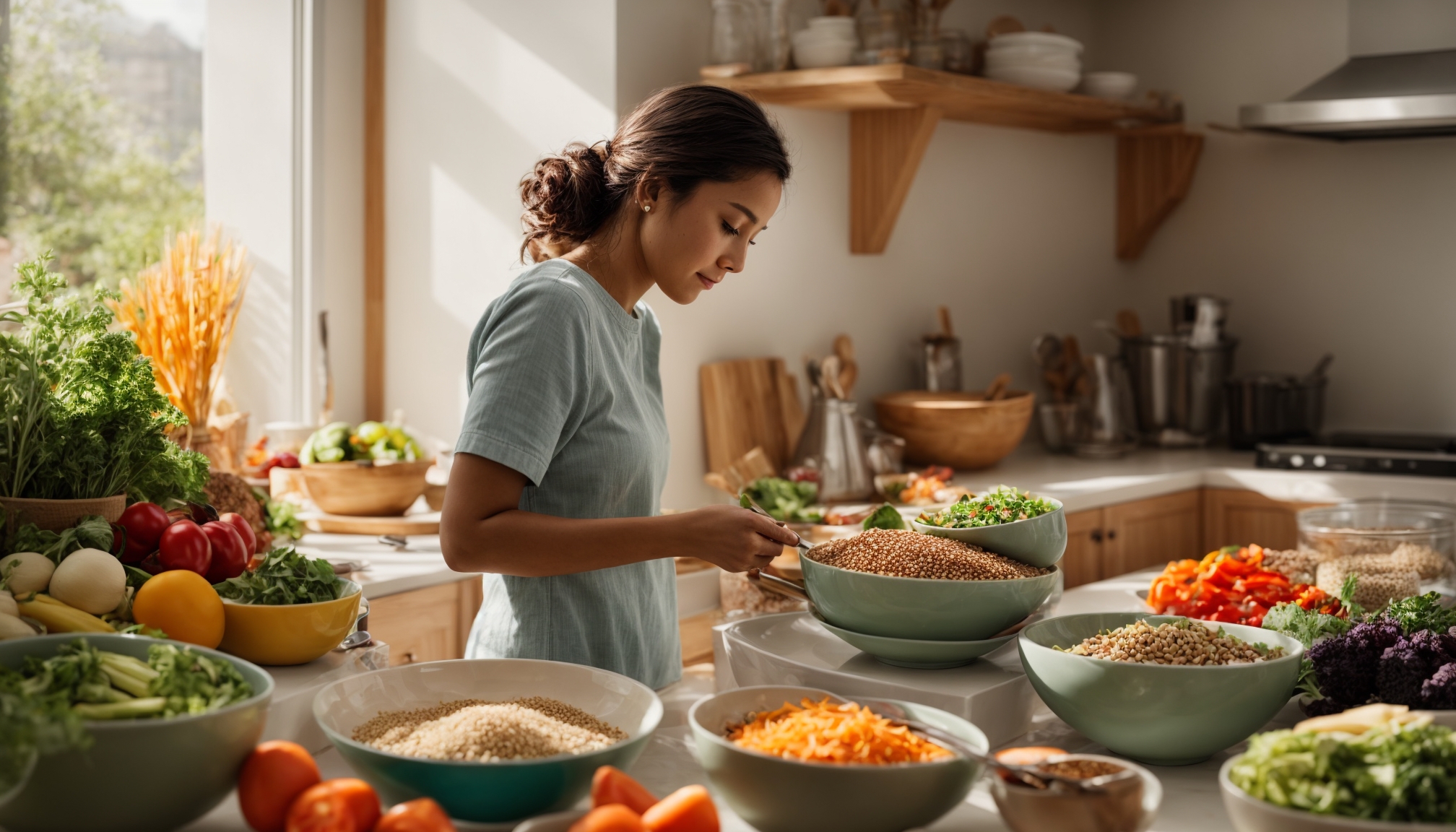
Good examples include oats, barley, quinoa, lentils, chickpeas, leafy greens, carrots, berries, apples, and chia seeds. Rotating these ingredients through meals during the week encourages broader bacterial diversity. Meanwhile, limiting ultra-processed snacks, sweetened beverages, and refined white bread helps prevent sudden blood sugar spikes and digestive discomfort.
Alongside broad plant diversity, targeted choices like womens gut health foods that contain probiotics and prebiotics may offer additional support. Probiotic foods supply live beneficial bacteria, while prebiotic foods provide the special fibers those bacteria prefer.
Probiotic-rich foods include plain yogurt with live cultures, kefir, kimchi, sauerkraut, miso, and tempeh. Choosing products with minimal added sugar and checking for active cultures helps ensure real benefit. Prebiotic foods often appear simple but are powerful, such as garlic, onions, leeks, asparagus, bananas, and oats.
Some women also consider probiotic supplements for specific concerns like recurrent vaginal infections, antibiotic recovery, or irritable bowel symptoms. However, individual responses vary widely. It is best to connect supplements with professional guidance rather than assuming all products work the same way.
Read More: Harvard overview of how probiotics may support gut health
Beyond food, daily routines strongly shape how the gut functions. The digestive tract contains its own nervous system, often called the “second brain,” which responds directly to stress hormones. Chronic stress can slow or speed motility, trigger cramps, and alter the composition of gut bacteria.
Simple habits such as slow, mindful eating give the body time to release digestive enzymes and signal fullness. Chewing thoroughly and sitting down for meals may sound basic, yet they can significantly reduce gas and reflux. Drinking enough water across the day also keeps stool soft and easier to pass.
Regular movement, especially walking, yoga, and light strength training, supports healthy bowel patterns and can improve insulin sensitivity. For many, pairing these physical habits with womens gut health foods leads to more consistent energy and fewer sugar cravings by evening.
Women often notice gut changes around menstruation, pregnancy, postpartum, perimenopause, and menopause. Hormonal fluctuations can affect fluid balance, bowel movements, and sensitivity to certain foods. Paying attention to patterns across the month can reveal which choices ease symptoms.
For example, some women feel more bloated before a period, especially with salty or highly processed meals. Emphasizing potassium-rich produce, whole grains, and lean protein during that phase may help. During pregnancy, fiber and fluids become even more important as hormones slow digestion, increasing constipation risk.
Later in life, shifts in estrogen and muscle mass may affect weight distribution and cholesterol levels. At this stage, combining protein at each meal with high-fiber womens gut health foods can support both metabolism and digestive comfort. Seeking personalized advice becomes especially helpful when symptoms interfere with daily activities.
Many women manage mild bloating or occasional irregularity with diet and habit changes. However, some symptoms signal the need for medical evaluation. Unintentional weight loss, blood in the stool, persistent pain, frequent vomiting, or waking at night due to diarrhea all require prompt attention from a healthcare professional.
In addition, long-lasting changes in bowel patterns, strong food fears, or intense anxiety around eating may point to conditions such as celiac disease, inflammatory bowel disease, or functional disorders. In these cases, self-diagnosis can delay effective treatment. A clinician or registered dietitian can help identify triggers and plan safe adjustments.
For everyday support, reliable information on womens gut health foods can guide grocery choices and meal planning. Combining this knowledge with awareness of personal symptoms empowers women to ask precise questions during medical visits and to participate actively in their care.
Ultimately, womens gut health foods, paired with consistent sleep, stress management, movement, and adequate hydration, create a powerful toolkit for better digestion and overall wellbeing. Small, steady changes often bring the greatest long-term benefits, helping women feel more comfortable, energized, and in control of their health at every age.